
Why the dentist's training makes the difference
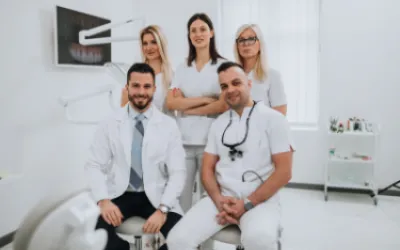
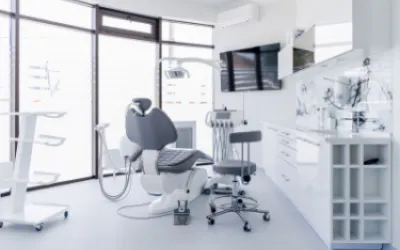
In dentistry — especially for complex treatments such as immediate-loading implantology, full-arch rehabilitations, or clear aligner orthodontics — the outcome depends overwhelmingly on the clinical skill of the person performing the procedure, not just on the technology available in the office. A state-of-the-art intraoral scanner, in the wrong hands, cannot compensate for an imprecise diagnosis or poorly planned surgery. That is why, in our Tirana clinics, the specialist training of the doctors matters just as much as the facility's certifications.
Internationally recognized specialization paths
The doctors of our Tirana clinics, most of whom speak Italian, have completed specialist studies, master's programs, or continuing clinical education at institutions in Europe — countries that have, for decades, been benchmarks for training in implantology, prosthodontics, orthodontics and oral surgery. In practice, this means:
- In-depth knowledge of the most current clinical protocols, not just foundational techniques.
- Exposure to diagnostic systems and treatment-planning software used to the same standards as in patients' home countries.
- The ability to manage complex cases (atrophic bone, full-mouth rehabilitations, articulated orthodontic cases) with a multidisciplinary approach.
- Clinical language and a communication style with patients aligned with what Italian patients are used to.
Continuing education, not just a degree
University training is only the starting point. Dentistry is a constantly evolving field: new materials, new healing protocols, new digital techniques are introduced on a regular basis. The doctors of our clinics take part in ongoing education, advanced specialization courses and international congresses, precisely to keep clinical standards aligned with those of countries with the most advanced dental systems.
A multidisciplinary approach to treatment planning
In more complex cases — for example a full-arch rehabilitation, or a plan combining implants, prosthetics and orthodontics — the treatment plan is discussed among several specialists rather than decided by a single professional working alone. This approach reduces the risk of planning errors and ensures that every stage, from diagnosis to the final prosthesis, is consistent with the overall clinical goal.
What this means for you as a patient
Trusting a dentist with solid international training means you can rely on an accurate diagnosis, cautious surgical planning, and clear communication about risks, alternatives and realistic timelines. We don't promise miracles or impossible timeframes: we promise verified clinical competence, honest explanations, and a treatment plan built around your specific situation — not a one-size-fits-all template.