Those who come to Tirana for dental treatment almost always discover a country they did not expect. Albania is close, welcoming, safe and still little known, with a lively capital, mountains a few kilometres away and a coastline that has nothing to envy Greece. Between appointments at the clinic there are often free half days or whole days, and our team, who live and work in Tirana, have learned to advise patients on how to use them well, taking into account what the doctor allows after each treatment.
What can you see in Tirana in half a day?
The centre of Tirana is easily explored on foot. Skanderbeg Square, with the statue of the national hero, the Et'hem Bey mosque and the clock tower, is the starting point. A few steps away are the National History Museum, the renovated Pyramid, which you can climb for a view over the centre, and Bunk'Art 2, a bunker from the dictatorship turned into a museum. The Blloku district, once reserved for the regime's leaders, is today the area of cafés, restaurants and boutiques, ideal for a break between two appointments. The Grand Park with its artificial lake is perfect for a relaxing walk on recovery days.
And with a whole day?
The Dajti cable car, twenty minutes by taxi from the centre, takes you in fifteen minutes to more than a thousand metres of altitude, with a view over the city and the plain down to the sea. At the top there are restaurants, easy trails and decidedly cooler air in summer. Bunk'Art 1, near the cable car station, is the regime's large nuclear bunker, an impressive museum that tells the recent history of the country. Alternatively, the new market at Pazari i Ri offers local fruit, vegetables, cheese and honey and is surrounded by places to have a good, inexpensive lunch.
Which day trips can you take from Tirana?
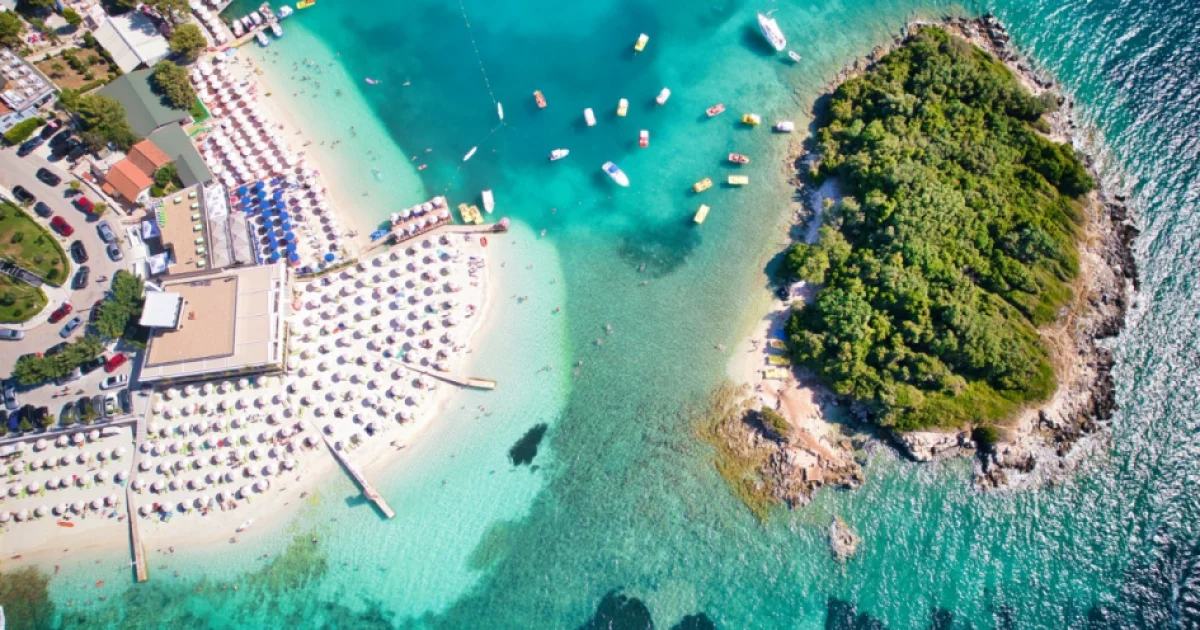
Kruja, forty minutes by road, is the town of Skanderbeg's castle, with the ethnographic museum and the old bazaar where you can buy rugs, silverware and handicrafts. Durrës, half an hour away, has a Roman amphitheatre in the old town and a seafront with equipped beaches. Berat, a UNESCO site, is two hours away and deserves a full day for the Ottoman quarter of Mangalem, the inhabited castle and the Byzantine churches with the frescoes of Onufri. Those with more time can go as far as the southern riviera, with the beaches of Dhërmi, Himara and Ksamil, three to four hours by road, but this is a trip to plan on days free of appointments and after the doctor's go ahead.
What can you do after a procedure?
It depends on the treatment. After hygiene, whitening, a filling or the delivery of crowns and veneers you can do whatever you like from the same afternoon. After an extraction, a graft or implant placement the doctor will ask for one or two days of rest, without physical effort, direct sun, sauna or swimming in the sea, and with a soft diet; quiet walks in the centre and museums are the ideal activity. Flights and mountain trips in the very first days after a sinus lift should be avoided, and the doctor will tell you exactly when you can resume them.
How do you get around?
Tirana has cheap and reliable taxis, best called through the local apps or booked by the hotel, and a network of city buses. For excursions, shared minibuses leave from the city stations to all the main towns, but for those with clinic appointments we recommend a car with driver or a rental, so as to be back on time. Transfers between hotel and clinic are organised by us, as is the pickup at the airport or at the port of Durrës.
What do you eat in Albania?
Albanian cuisine is Mediterranean and very close to Italian tastes: grilled vegetables, fresh cheeses, grilled meat, fish on the coast, byrek made of filo pastry and tavë kosi, baked lamb with yoghurt. In Tirana you also eat well Italian, and many restaurants have menus in Italian and English. In the days after surgery the doctor recommends soft, lukewarm food: soups, purées, yoghurt, fish and cooked vegetables, all easy to find everywhere.
Is Albania safe for travellers?
Yes. Tirana is a quiet capital, with a low crime rate and a long tradition of hospitality towards Italians and other visitors. Italian is understood by a great many people, especially those over thirty, and English is widespread among the young. The currency is the lek, but euros are accepted almost everywhere and cash machines are plentiful. For citizens of Italy and the European Union a valid identity document is enough; visitors from other countries should check the entry rules that apply to them.
When is the best time to come?
Tirana has a Mediterranean climate: spring and autumn are the most pleasant times to visit the city and take trips, with mild temperatures and little rain. Summer is hot but dry, ideal for those who want to combine the coast, while winter is mild in the city and snowy on Dajti. The clinics work all year round and flights are daily in every season, so the timing depends mostly on your preferences and on the treatment schedule agreed with the doctor.
What can you bring home from Albania?
Olive oil and honey from the hills around Tirana, cheeses and cured meats, artisanal raki, the textiles and rugs of Kruja, filigree silver and ceramics. The new market and the Kruja bazaar are the best places to buy local products at honest prices. Many patients go home with a heavier suitcase and with an idea of Albania very different from the one they left with.
How do you make the most of the free days?
The schedule of appointments is defined before departure, so you know in advance which days will be free. Our team helps you choose hotels in areas convenient both for the clinic and for the centre, and recommends excursions compatible with the treatment. Many patients choose to extend their stay by a couple of days after the last session to visit the coast or Berat without worries. If you want to organise a treatment stay in Tirana, the first step is the free consultation with our doctor, who will also tell you how many days are needed and how much free time you will have.