A common procedure, best faced with the right information
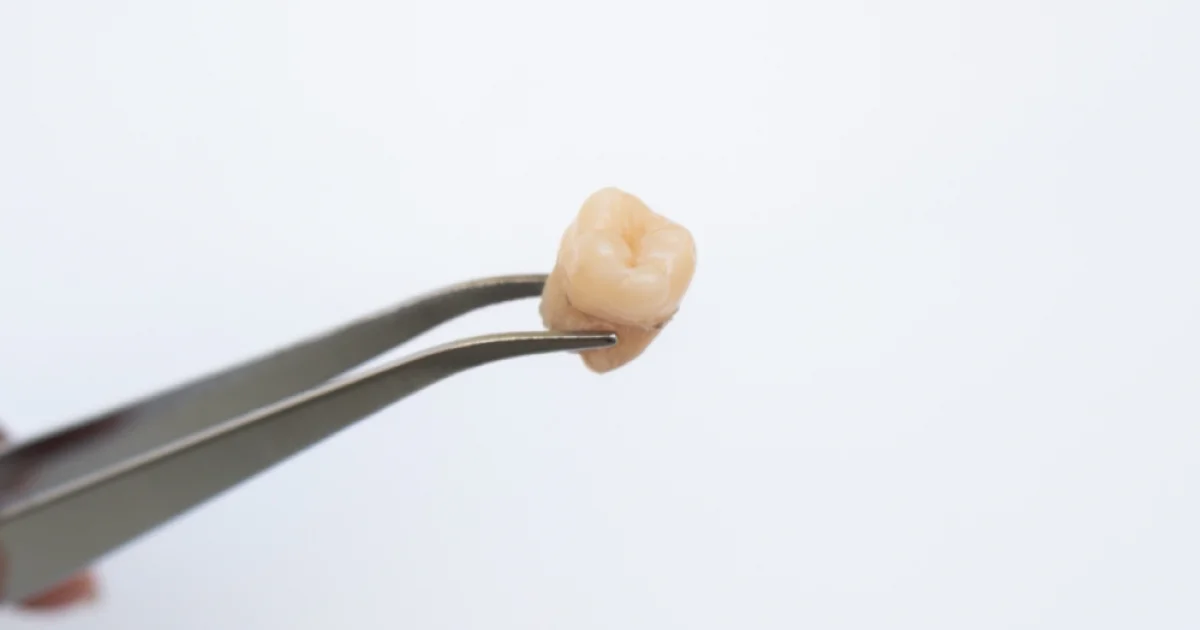
Wisdom tooth extraction is one of the most common dental procedures: it affects most people at least once in their lifetime, often because these teeth do not have enough room in the dental arch, remain partially impacted, or grow in a position that risks damaging neighboring teeth. Knowing what to expect before, during and after the procedure helps you approach it with greater peace of mind.
How the procedure works
Before extraction, a 3D scan or panoramic X-ray is always performed to assess the tooth's exact position, its proximity to nerve structures, and the expected complexity of the procedure. Based on these findings, the extraction can be simple, if the tooth is already well visible in the mouth, or surgical, if the tooth is partially or fully impacted in the bone. In both cases, the procedure is performed under local anesthesia, and it is normal not to feel pain during the procedure, though some pressure may be perceived.
The first 24-48 hours: what to do
The first hours after the procedure are the most delicate for good healing. A few practical measures make a big difference:
- Bite down on the gauze provided by the dentist for 30-45 minutes to help the blood clot form
- Apply ice to the cheek at 15-20 minute intervals during the first hours to limit swelling
- Avoid rinsing your mouth vigorously or spitting forcefully in the first 24 hours, so as not to dislodge the clot
- Do not use straws and do not smoke, since suction can cause the dreaded "dry socket," a painful inflammation of the extraction site
- Soft, cold foods: yogurt, mashed potatoes, ice cream without chunks, avoiding hot, spicy or crunchy foods
Managing pain and swelling
A certain degree of swelling, soreness and mild discomfort in the following days is entirely normal, especially for surgical extractions. The dentist generally prescribes pain relievers and, when needed, a short course of antibiotics. Swelling tends to increase in the first 48-72 hours before gradually subsiding: applying ice in the first 24 hours and, afterward, warm compresses can help speed up reabsorption.
Healing times
Timelines vary depending on the complexity of the extraction:
- Soft tissue healing: generally 7-10 days
- Complete bone healing: a few months, though it requires no special attention after the first weeks
- Return to normal activities: in most cases already after 2-3 days, unless otherwise indicated by the dentist
When to contact the dentist
While most recoveries proceed without complications, it is important to contact the dentist if you experience: bleeding that does not stop after several hours, intense pain appearing 2-3 days after the procedure (a possible sign of dry socket), persistent fever, or swelling that keeps increasing beyond the third day. In our support model, even after returning to Italy, the patient can contact us by phone for an assessment of these symptoms and, if needed, be directed to a video consultation with the referring dentist.
A well-performed extraction, paired with clear instructions and support available even remotely, makes this procedure far more manageable than most people expect.