What Digital Smile Design is
Digital Smile Design (DSD) is a digital protocol that allows the dentist and patient to plan the final appearance of the smile together, before any clinical intervention takes place. Starting from photographs and video of the patient's face and smile, the dentist uses dedicated software to analyze proportions, symmetry and individual aesthetic features, producing a realistic simulation of how the teeth could look after treatment — whether veneers, crowns, orthodontic alignment, or a more complex rehabilitation.
How it works, step by step
- Photo and video capture: images of the face at rest, while smiling, and during speech are collected to analyze how the teeth relate to the lips, gums and facial proportions.
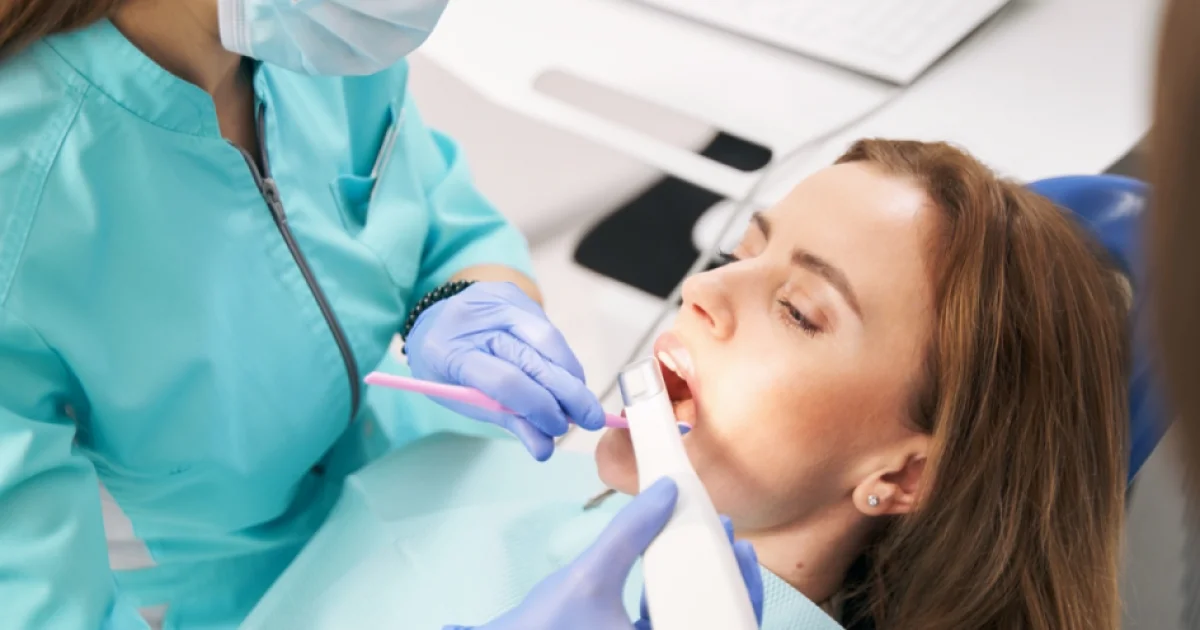
- Digital scan of the arch: combined with facial imagery, the 3D scan of the teeth allows for precise planning that is both aesthetic and functional.
- New smile simulation: the software produces a visual proposal showing the projected shape, color and proportions of the teeth after treatment.
- Trial mock-up: in many cases, before proceeding with definitive treatment, a temporary mock-up can be placed directly in the mouth, letting the patient "try on" the new smile and assess its real effect, including while speaking.
Why it's not just about aesthetics
A common misconception is treating Digital Smile Design as a purely cosmetic or marketing tool. In reality, its main function is both clinical and communicative: it allows the dentist to precisely plan each stage of treatment (where orthodontics is needed, where prosthetics come in, which proportions to respect) and allows the patient to genuinely understand what to expect, reducing uncertainty and unrealistic expectations that can sometimes accompany an aesthetic treatment journey.
A concrete benefit for patients traveling from afar
For patients undergoing a remote treatment journey, as is the case with dental tourism, DSD carries particular added value: much of the aesthetic planning and information-sharing can happen before travel, through photos, videos and remote consultations. This means arriving in Albania with a treatment plan already discussed and agreed upon, reducing the time needed on site and allowing in-clinic time to focus mainly on the clinical part of the journey, not on planning from scratch.
What to expect in terms of realism
It's important to be honest about one point: the digital simulation is a highly accurate projection, but it remains a projection. The final clinical outcome depends on a number of individual factors — gum condition, bone quality, biological response to treatment — which the dentist assesses and communicates clearly throughout the process. Our commitment is that this communication always stays honest: no promise of 100% guaranteed results, but serious planning that significantly reduces the margin of uncertainty compared with a treatment planned "by eye".